
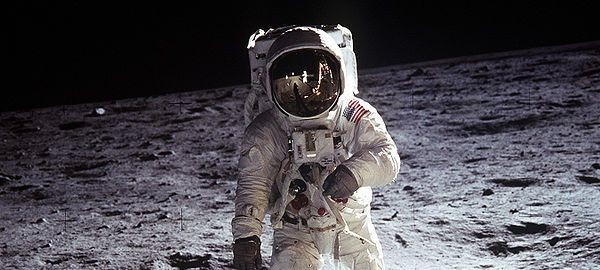
 Three Apollo 1 astronauts tragically lost their lives in a fire, confirming a line from President Kennedy's speech: "The prospects of space certainly bring great rewards, but it also comes with great difficulties and high costs." ”
But NASA and Americans were not intimidated at that time. President Kennedy also said: "Humanity is unwavering and unstoppable in its pursuit of knowledge and progress." ”
It reminds me of Ultraman Tiga episode 41, where astronaut Noboru Qianqing angrily shouts at Shinjo: "Is your job to cry here?!" ”

Yes, the space race doesn't believe in tears, and your opponents won't be stopped by your setbacks. To catch up, the Apollo program must continue!
1. Be careful to steer the boat for ten thousand years
Learning from the painful lessons of Apollo 1, NASA has shown sufficient caution in subsequent missions.
On November 9, 1967, the Apollo 4 unmanned spacecraft, weighing 36.78 tons, was launched aboard Saturn V. Notably, this was the debut of Saturn V (Apollo 1 was carried by Saturn 1B), and the launch was successful.
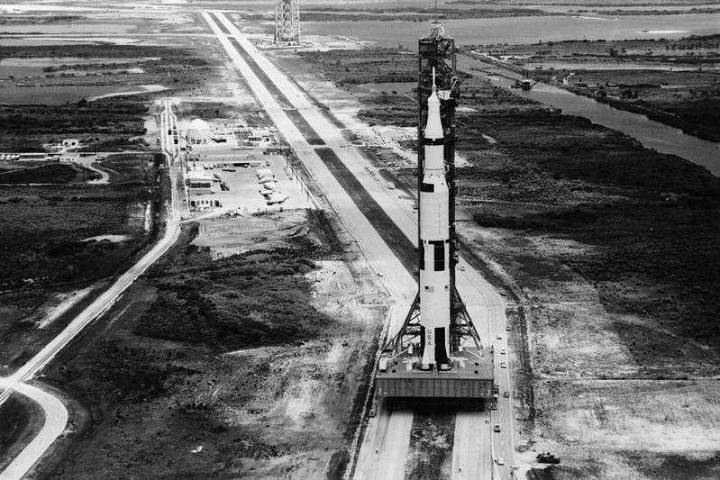
Later, in January and April 1968, NASA conducted two more unmanned spacecraft tests (Apollo 5 and 6)
Through three unmanned experiments, NASA achieved impressive results and obtained a wealth of valuable data.
On October 11, 1968, the Saturn 1B launch vehicle launched its first manned mission—Apollo 7. Three astronauts—Walter Schuela, Don Esley, and Walter Cunningham—jointly carried out the first American three-person space mission. (The three happened to be the backup team for Apollo 1.)
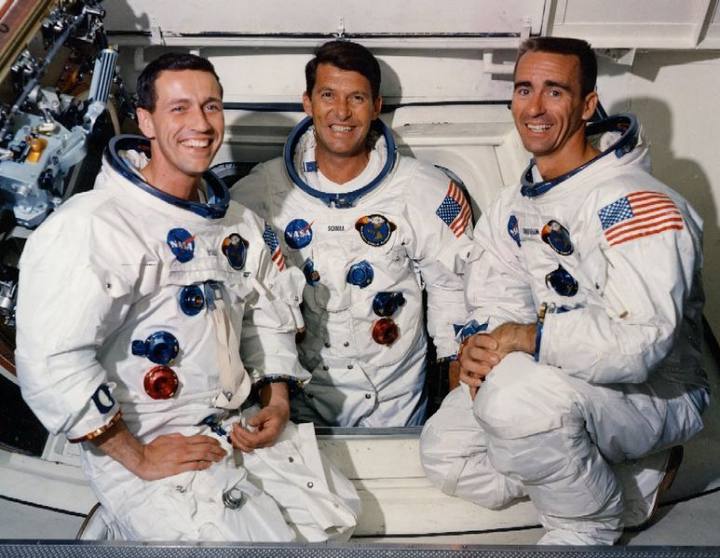
Esley, Scherra, and Cunningham
They inherited the legacy of the astronauts who died in the Apollo 1 accident, soared into the sky, and began an 11-day space life.
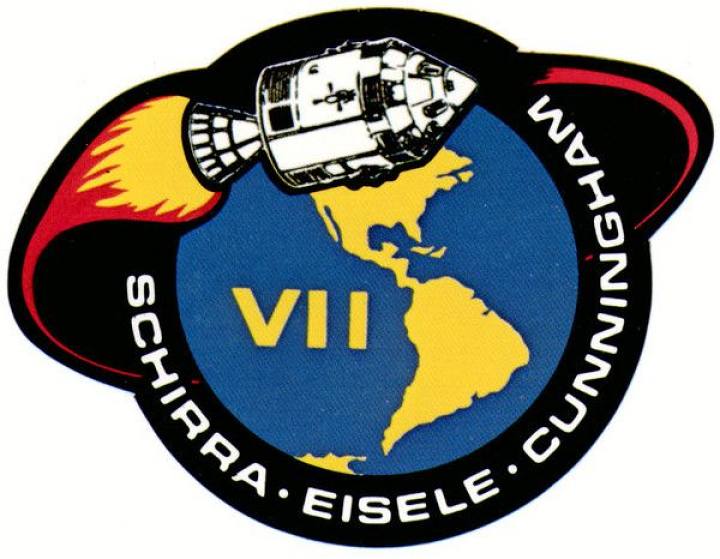
Apollo 7
Two months later, on December 21, 1968, Apollo 8 was successfully launched, completing humanity's first lunar orbit mission. This famous photo of Earth from the Moon was taken during this mission.
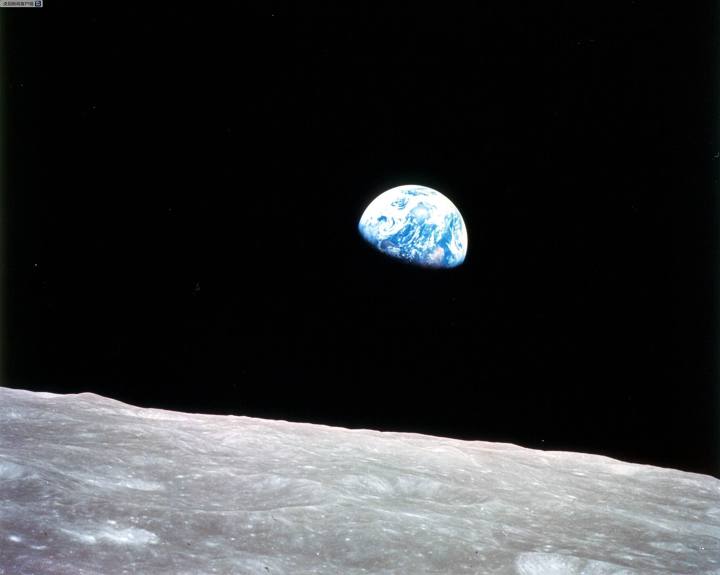
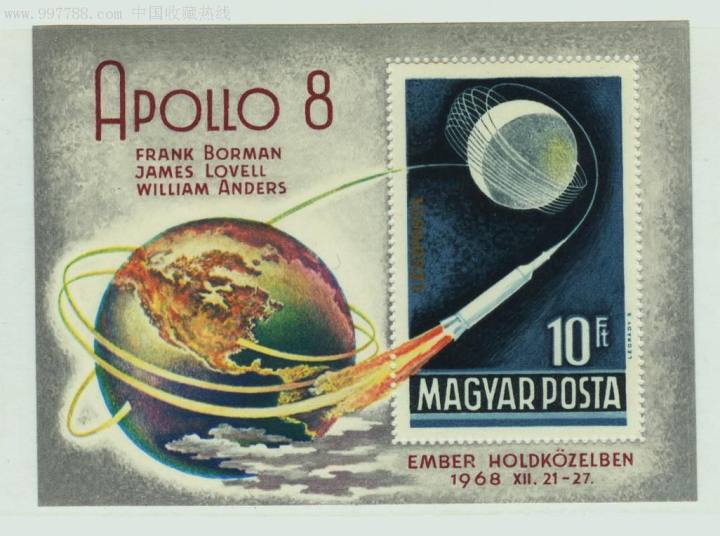
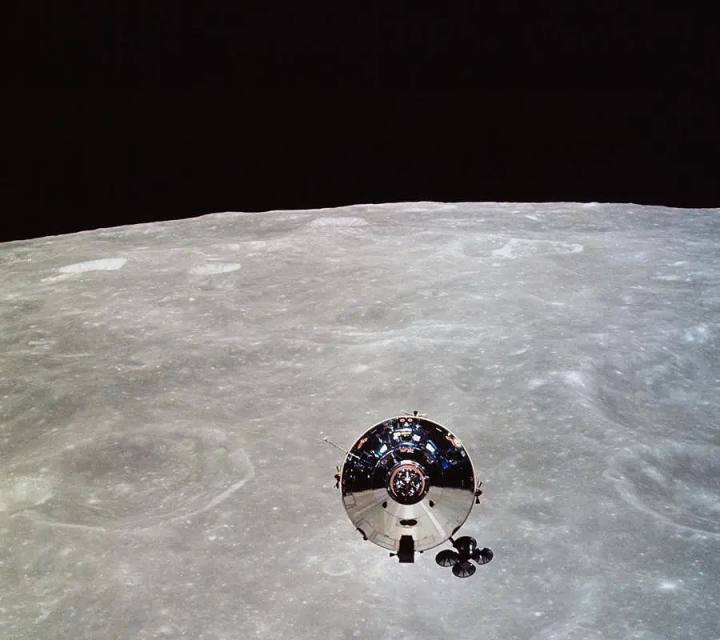
Apollo 8
On March 3, 1969, Apollo 9 carried the lunar module for the first time and carried out a spacewalk mission.
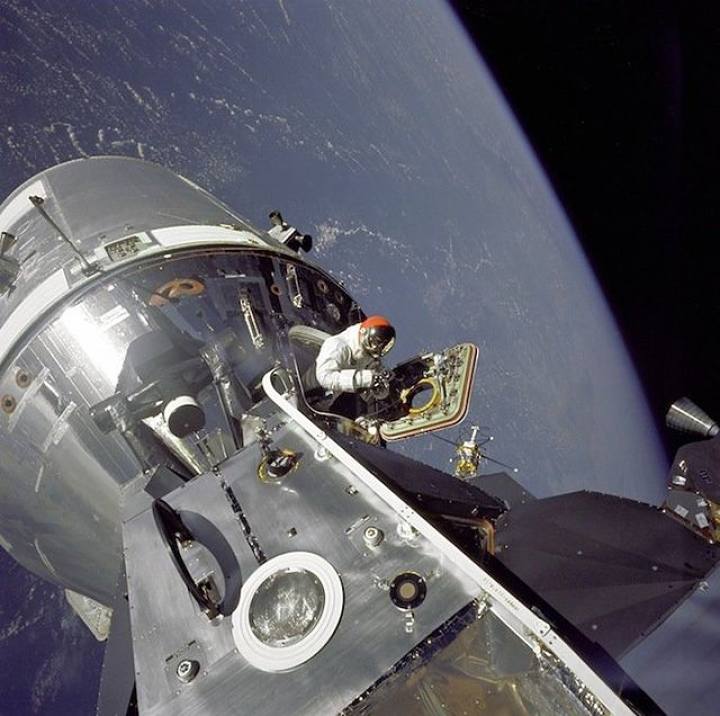
Two and a half months later

Apollo 10 headed to the Moon. Unlike previous ones, this spacecraft is a complete configuration of command module + landing module + return capsule. This mission can be seen as the final rehearsal before the lunar landing. The spacecraft orbited the Moon 31 times, and the distance between the lunar module and the lunar surface was reduced to an unprecedented 15 kilometers. Apart from landing, Apollo 10 carried out all the steps taken to land on the Moon.
At the time, this mission even set a speed record for manned spacecraft (Apollo 10 reached speeds of up to 39,897 km/h on its return journey from the Moon)
Through three unmanned spacecraft tests and four manned spacecraft tests, the astronaut team and NASA have accumulated rich experience for lunar landings.
Next, it's time to land on the Moon!
2. A small step for a person, a giant leap for humanity.
(If I remember correctly, the People's Education Press Chinese textbooks for third grade elementary and first grade middle school include texts about moon landing.) )
At 13:32 GMT on July 16, 1969, at Kennedy Space Center's Launch Pad 39A, the Saturn V ignited and lifted into the sky under the gaze of hundreds of thousands of spectators. The launch was so shocking that even the TV announcers forgot to explain.
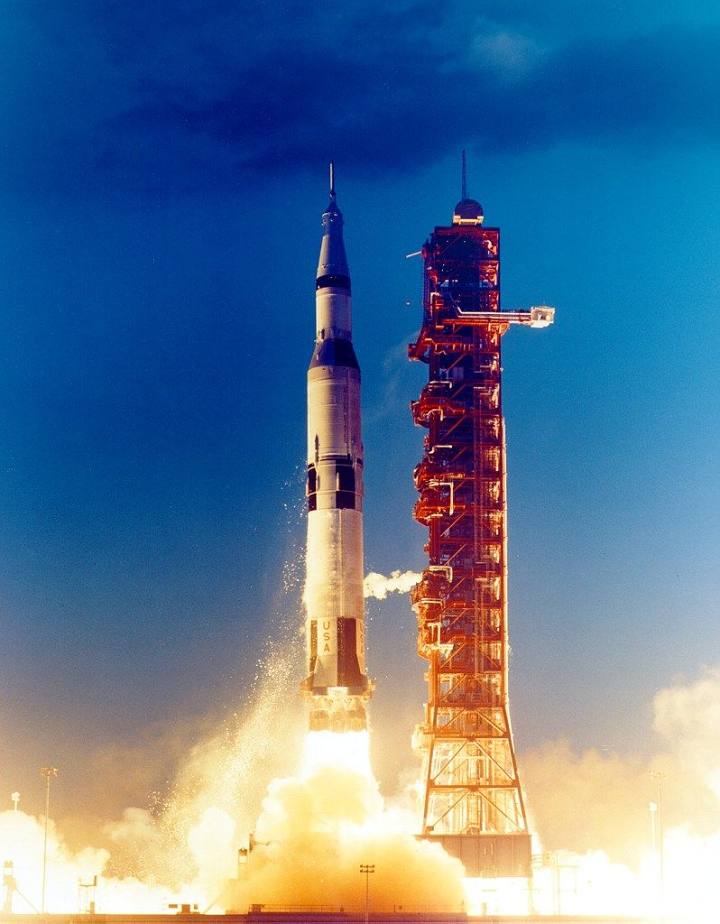
Three days later, Apollo 11 entered lunar orbit and began its orbit. Armstrong and Aldrin then entered the lunar module, preparing to land on the Moon; Meanwhile, Collins stayed alone in the command module, assisting them in orbit. Perhaps as the two heroes landed on the moon, Collins was the loneliest man in the entire universe

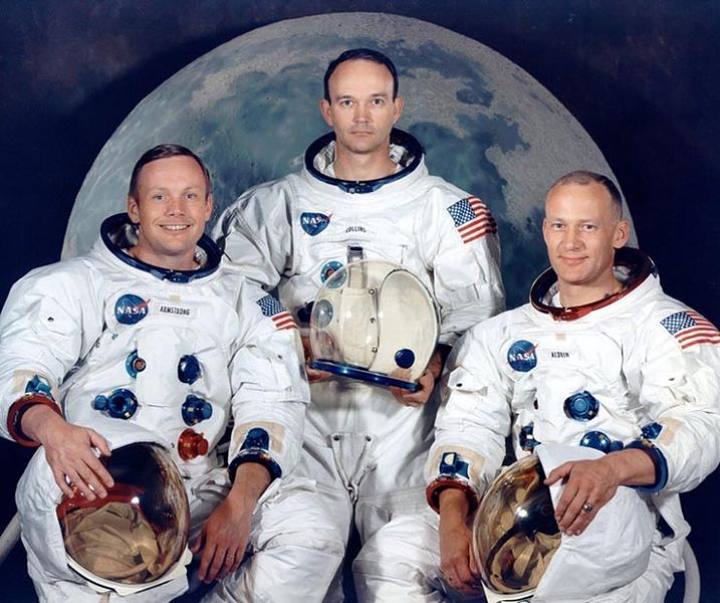
Armstrong, Collins, and Aldrin
Countdown 20s, 19, 18......
At that moment, Armstrong and Aldrin suddenly discovered that the landing site automatically chosen by the lunar module was a large crater, filled with rocks. If the lunar module's legs break or the capsule capsizes after landing, it will never return to Earth!
On a whim, Armstrong said: Switch to manual operation, let me handle everything (just kidding)



Armstrong earned an undergraduate from Purdue University + a master's degree in aeronautics from the University of Southern California (he got into MIT, but didn't go because it was too far from home).

) was also an outstanding pilot in the U.S. Navy, so naturally he wouldn't crash

After manual operation, the spacecraft stopped 7 km away in an open area.
At 20:17:43 GMT on July 20, 1969, the lunar module's legs finally landed safely on the lunar surface.
"Houston, this is Jinghai Base." The 'Eagle' landed successfully. ”
Armstrong's voice came through the broadcast, and the entire ground control center erupted.
At 2:56 AM GMT on July 21, 1969, Armstrong left the first human footprint on the lunar surface. Of course, he also said that famous saying:
That’s one small step for (a) man, one giant leap for mankind.
This is a small step for a person, but a giant leap for humanity.
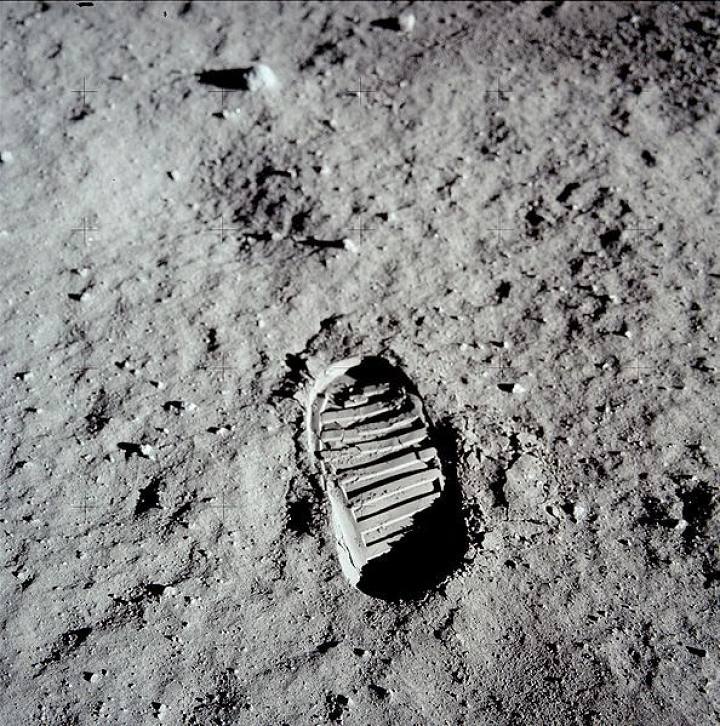
Nineteen minutes later, Aldrin also left the lunar module and arrived at the lunar surface.
The surface of the moon was desolate, with no rivers, lakes, or seas, no blue skies or white clouds, and no sign of life. Only sunlight shines on the moon's gray soil and rocks, and only the blue earth hangs high in the sky.
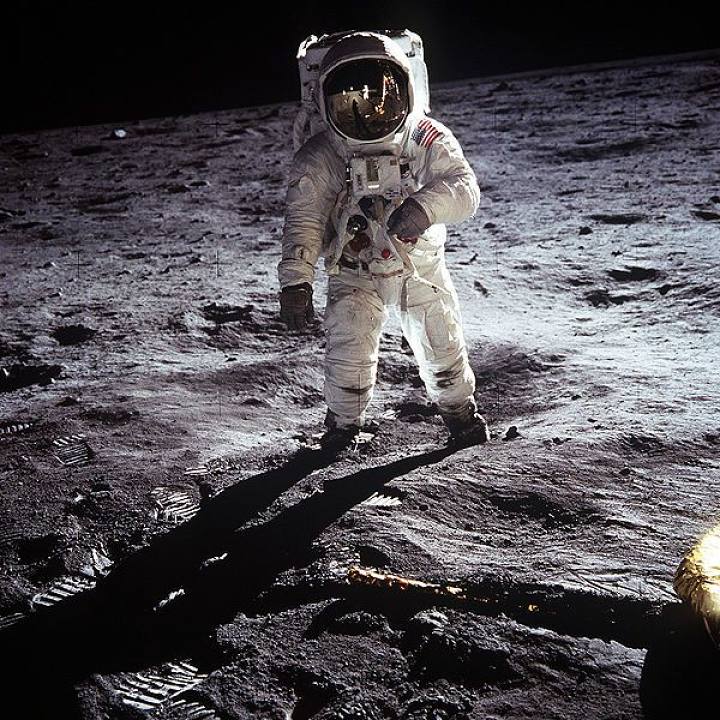
Aldrin photographed by Armstrong
The two astronauts spent about two and a half hours on the lunar surface, during which they raised an American flag, collected 21.55 kilograms of samples, and installed scientific instruments such as laser reflectors and lunar seismologists.
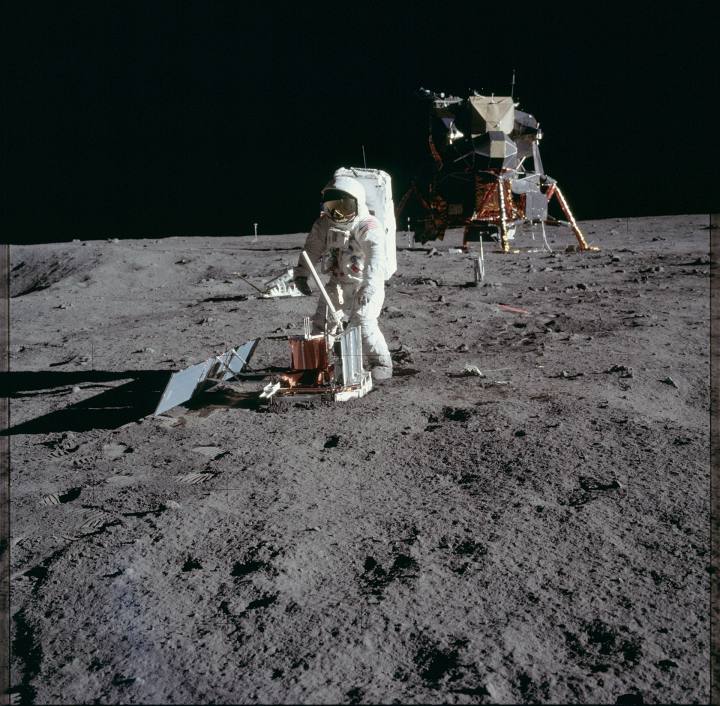
On July 22, 1969, after staying on the Moon for 21 hours, 36 minutes, and 21 seconds, the two astronauts ignited their lunar module and launched into space, docking with the lunar orbital service and command modules to prepare for return to Earth.
The base of the Apollo 11 lunar module was permanently left on the Moon, with a 22.5cm by 19cm metal plate beneath it, inscribed with the following words:
In July 1969, we came from planet Earth and left our footprint on the Moon for the first time. We represent all humanity, and we come for peace.
On July 24, Apollo 11 splashed down over the southwestern waters of Hawaii in the Pacific Ocean. The helicopter that took off from the USS Hornet successfully picked up three astronauts, making the mission a complete success.
Easter Egg: Although everyone can only remember Armstrong, the first to land on the moon, we should also remember Aldrin, the first to return to Earth from the moon

3. Questioning and Rebuttal
Since the Apollo program ended, there have been voices questioning whether the American moon landing was fabricated. The reason given is that Americans have not yet landed on the Moon, and their lunar spacecraft and soil samples are not publicly exhibited

I wondered why I could publicly show my research achievements

The past is the past, the present is the present

In the past, the Japanese Navy dared to confront the Americans head-on, but now the Maritime Self-Defense Force is inferior to the U.S. in every aspect. Does the old Japanese Navy not exist at all?
Previously, the Soviet Union could build a space station by a single country, but now 16 countries have only built the International Space Station. Can we deny the Soviet Salyut series of space stations?
There are too many such examples......
Others say whether Americans have landed on the moon requires a second country to visit and see

So how can we prove that the second country's moon landing wasn't fabricated? Does it take a third country to land on the moon?

Some questioned why the flag fluttered when there was no wind on the moon.
This question was previously tested by the Discovery Channel's "MythBusters" program, and NASA responded positively.
For aesthetics, the flag is not fixed by a single flagpole; there is also a support behind it to allow the flag to be unfurled. Since the Moon has no atmosphere, there is no air resistance. Inside the capsule, the flag is raised and then taken outside, allowing the flag to remain flying.
Of course, Chang'e-2, the American LRO, and India's Chandrayaan-2 have all captured traces left by Apollo

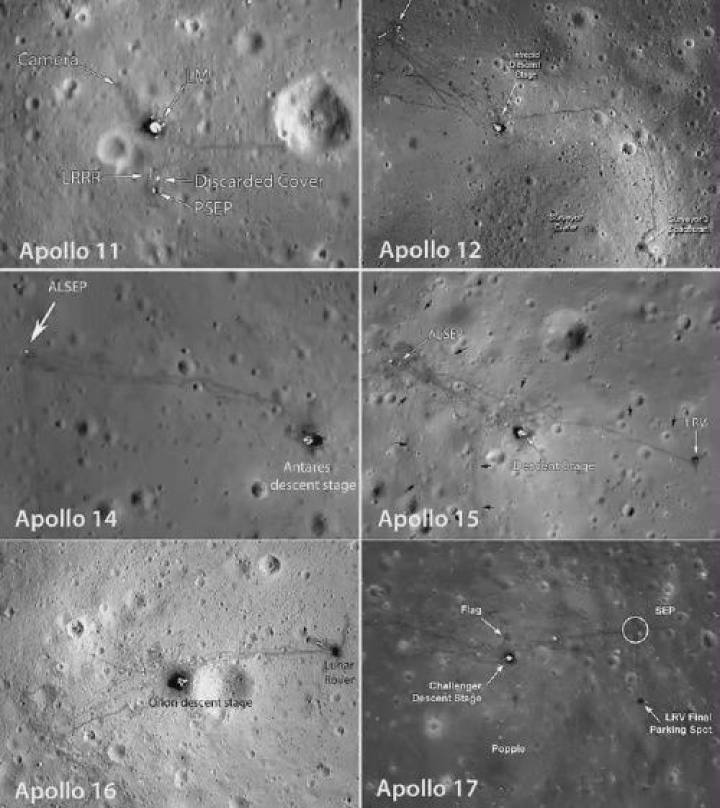
Some even questioned whether the US LRO detector's resolution was only 0.5 meters and whether it could capture footprints

After all, no matter how big your feet are, the footprints on boots won't be 0.5 meters long.
First, the footprints are not just one but a series of them, so their size is not just 0.5 meters, as shown in the picture below.
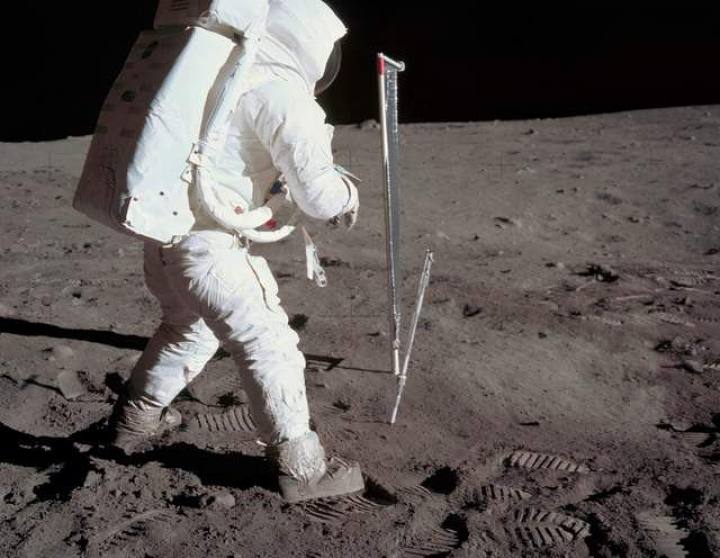
Second, the size of an object and its shadow are different; the shadow may be larger than the object itself, so it can be captured. The LRO detector not only captured Apollo but also captured our Chang'e.
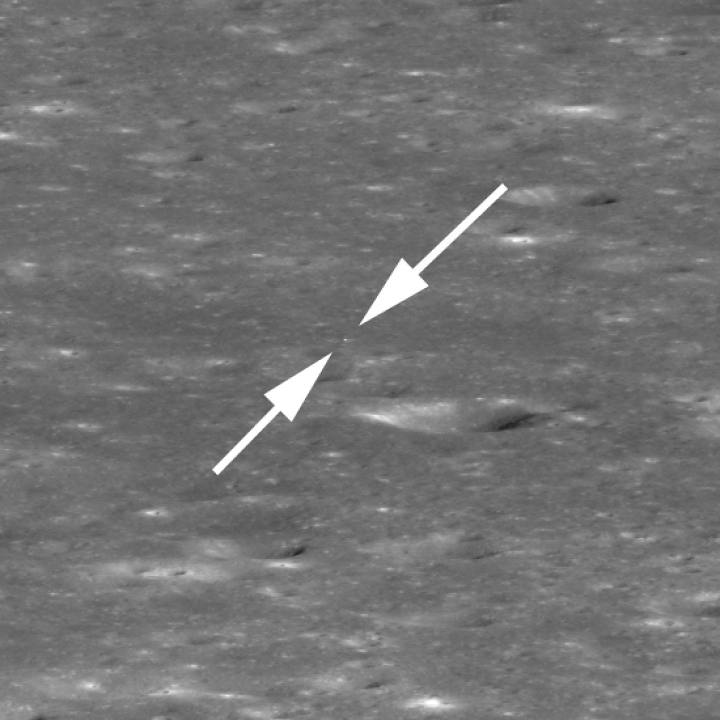
Chang'e 4
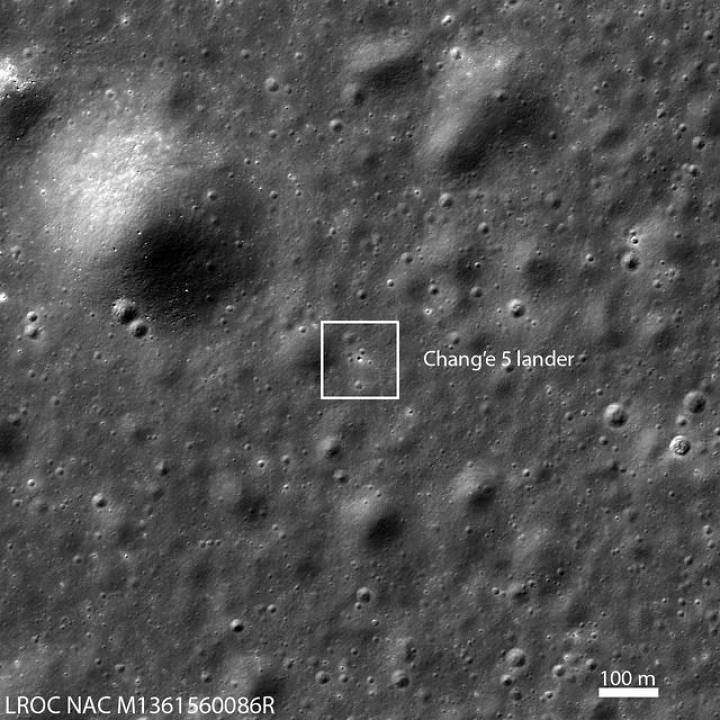
Chang'e 5
Finally, although LRO's resolution is only 0.5 meters, its orbital altitude is relatively low (50 km from the lunar surface); keep in mind, China's Jilin-1 Gaofen 04A satellite has an orbital altitude of 600 km and a resolution of 0.3 meters, so it can still capture the white lines of a football field (the white lines on a football field are probably less than 0.3 meters wide).

)

Another point to confirm is that the Apollo spacecraft left five laser mirrors on the lunar surface. The 'MythBusters' program has verified that when you fire a laser at the Moon, you can receive a very clear echo.
China can also receive signals reflected by lunar mirrors


Academician Ouyang Ziyuan, chief scientist of the lunar exploration program, made a video on his Bilibili account specifically discussing the U.S. Apollo program.


He made it clear that the Apollo moon landing was not fabricated. NASA ignores these rumors to encourage curious people to search for information and become interested in the universe

4. A Successful Conclusion
Afterwards, the U.S. launched six more Apollo spacecraft (Units 12-17). Except for Apollo 13, which aborted the oxygen tank explosion midway and the astronauts returned safely to Earth, the other five ships all reached the Moon successfully.
On October 19, 1972, Apollo 17 splashed into the Pacific Ocean. This was the final flight of the Apollo program.
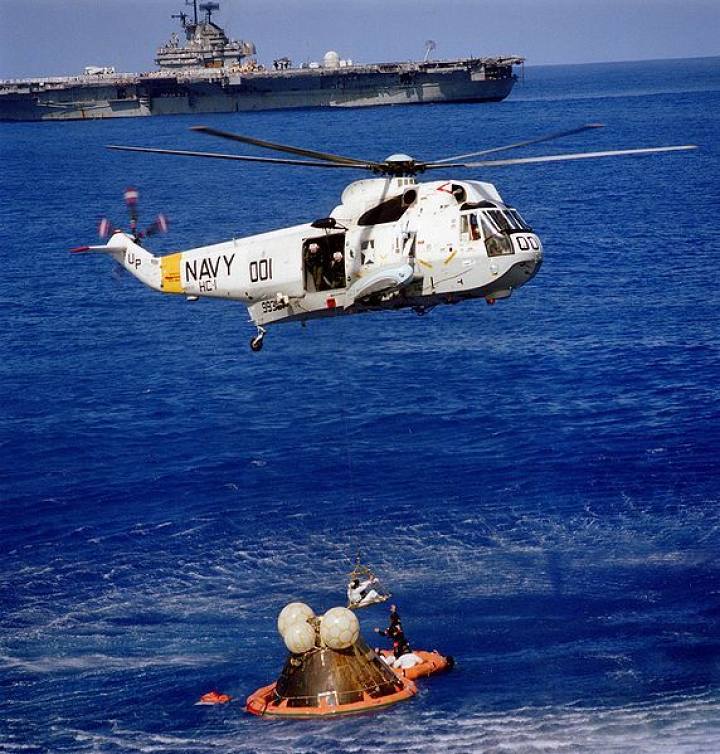
Apollo 17
Apollo 17 set many records, including the longest moon landing; The longest lunar surface travel time; Apollo 17 collected the most lunar specimens and also traveled the longest in lunar orbit.
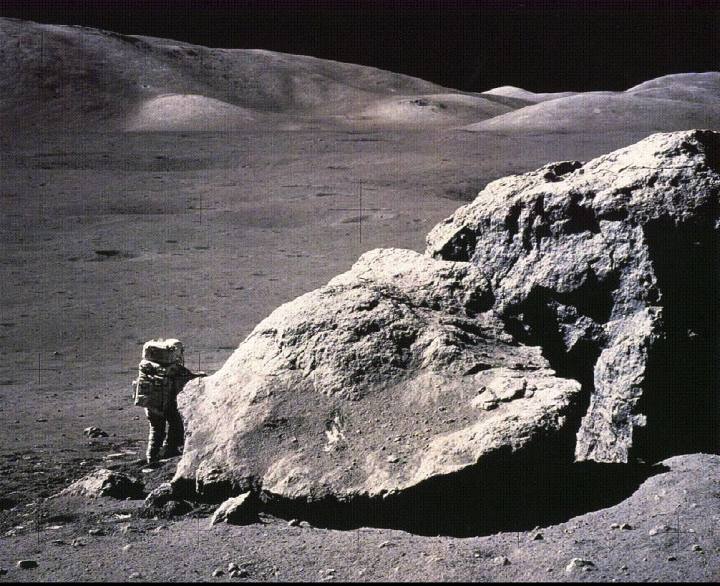
Dr. Harrison Schmidt, a geologist in the field, served as the lunar module pilot on Apollo 17. He and Cernan rovers traveled 34 kilometers through the Taurus-Littrow valley. The entire mission brought back a 110.5 kg lunar rock specimen.
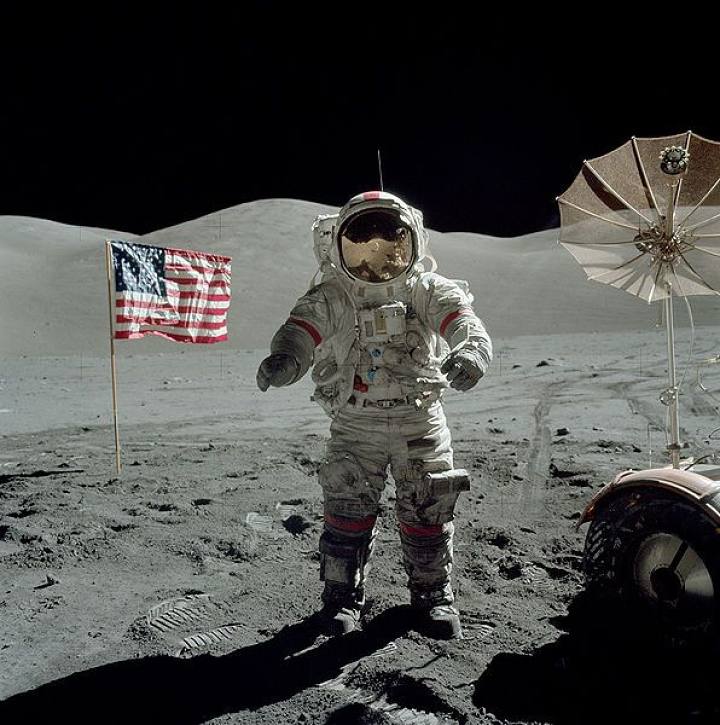
Eugene Cernan
"When we left the Tauras Litro Valley on the Moon, we came here, and now we are leaving here; If circumstances allow, we will return here with peace and hope for all humanity. As I take steps away from the Moon, I want to say that America's challenge to space today will shape humanity's destiny for tomorrow. May God be with Apollo 17. —Eugene Cernan

During this mission, three astronauts took the famous photo "Blue Onyx."
From 1969 to 1972, a total of six Apollo spacecraft (11, 12, 14, 15, 16, 17) and 12 astronauts successfully landed on the Moon, bringing back a total of 381 kg of lunar samples.
The entire Apollo program cost .5 billion, equivalent to 0.45% of the 1961 U.S. GDP, and 20% of U.S. research funding. When spread out to individuals, each household would bear 2.
Facing skepticism from all sides, the Soviet Union's failed moon landing led the United States to a decisive victory, the originally planned Apollo 18-20 mission was canceled, and the Apollo program officially ended.
The Apollo program was the first time humanity left Earth and set foot on another planet. It was a milestone in exploring unknown territories and an unprecedented glory in the history of human spaceflight, laying the foundation and creating favorable conditions for future lunar development.
The third installment of the Moon Landing series will be updated later, telling the story of the dangers encountered by Apollo 13 and the US-Soviet cooperation in space: the Apollo-Soyuz program.
@想要上天的文轩@Kiming classmate@alexkillers@酷安小编@追风筝的张三
? Original link:https://www.coolapk.com/…

![[Text and Image Summary] Summary of Terminals Currently Supporting 5G-A Carrier Aggregation --- Includes How to Check Carrier Aggregation Enabled on iOS - Baiyun Blog](https://www.bybk.cc/wp-content/uploads/2024/04/20240407140712630-e26ee861710dd3b075a1302dd00392d5e1db60a1.jpeg)




![[Open Source Reading] January 2024 ≈ 400 carefully edited book source compilation and update - Baiyun Blog](https://www.bybk.cc/wp-content/uploads/img/af867764c3780f0b7da88376fca7bf92.png)
![[Open Source Reading] November 950+ carefully proofread book source compilation and update - Baiyun Blog](https://www.bybk.cc/wp-content/uploads/2023/02/Screenshot_20230222-1001582-1024x593.png)


![[Open Source Reading] October 1300 Book Source Update - Baiyun Blog](https://www.bybk.cc/wp-content/uploads/img/1eeb6ae31cde88ab39faa2f19651638d.jpeg)
![[VMOS PRO 2.9.6 Member Edition] - Baiyun Blog](https://www.bybk.cc/wp-content/uploads/img/c303a7a50d3ebfa235cc380190db2980.png)




No comments yet