
We decided to land on the moon and achieve more dreams over these ten years, not because they were easy, but precisely because they were so difficult! — Kennedy
Zero Beginning
At the end of January 1945, Penemünde, Germany. At the rocket development base, German scientists secretly surrendered to the US military.
The U.S. military captured 100 V-2 missiles, along with 127 German rocket experts, including von Braun, who would later become famous in space history. In addition, the Americans transported a massive amount of blueprints, documents, and equipment from the Nordhausen underground factory, which had originally been assigned to the Soviet-occupied zone, filling 300 train cars.
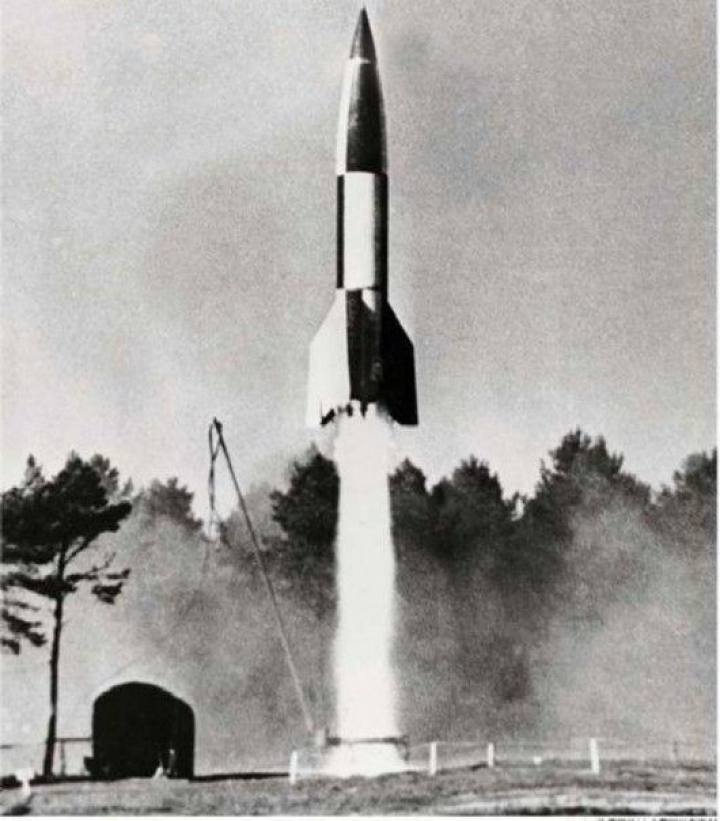
V2 Missile (doge)
The Soviet Union, belatedly capturing Pennemünde, brought back 200 V-2 missiles, technical materials, and technicians that the Germans had not yet withdrawn or destroyed.
At this point, both the US and the Soviet Union had acquired production technology for the V-2 missile. The United States got von Braun, while the Soviet Union had its own genius expert, Korolev. The two countries are starting from the same starting line, watching each other intently, fiercely competing across multiple fields including aerospace, driving the rapid development of human space technology.
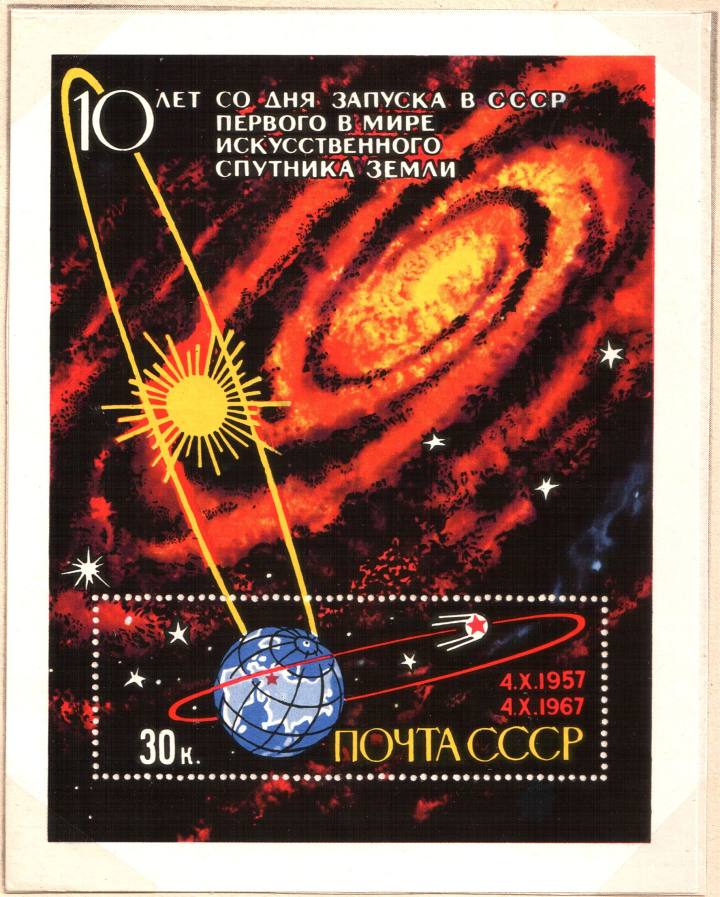
One of the Спутник-1 and Vostok-1
On October 4, 1957, the Soviet Union sent its first artificial satellite—Sputnik 1 (Sputnik 1)—into space. Although it only traveled for 92 days, orbiting the Earth more than 1,400 times, it entered the atmosphere on January 4 of the following year. This aluminum sphere, less than one meter in diameter, ushered in the era of space exploration.
Meanwhile, across the ocean, North America is immersed in unease and frustration. The front page headline read: The Soviet Union launched a satellite, orbiting the Earth at 18,000 miles per hour, scouting the United States from four directions!
Although the president's press conference was only casually stated: "It's just a small sphere in the sky." ”

But whether it's the American people or the president, everyone is extremely anxious. Out of a competitive spirit, the launch of the first U.S. satellite was broadcast live in full streaming. The launch originally scheduled for December 3, 1957, was delayed due to technical issues and ultimately scheduled for December 6. But as expected, something unexpected happened

Less than two seconds after ignition, less than two meters above the ground, the rocket engine failed, and then the entire American public saw the towering fire and billowing smoke on television. The following Christmas was also shrouded in a painful atmosphere......
Remember the previously mentioned German von Braun? He lived up to expectations and helped the Americans restore their dignity. In January 1958, the successful launch of the Explorer 1 satellite marked the beginning of the space era for the United States.
In October 1958, NASA was established.
The Americans thought they could finally breathe a sigh of relief, but Korolev said, 'We haven't even made a big move yet.'
On a side note, in high-tech fields like aerospace and nuclear technology, the U.S. has the "Three Fengs": von Braun, von Kármán, von Neumann, a rocket expert, Qian Xuesen's teacher and colleague, and the father of electronic computers.
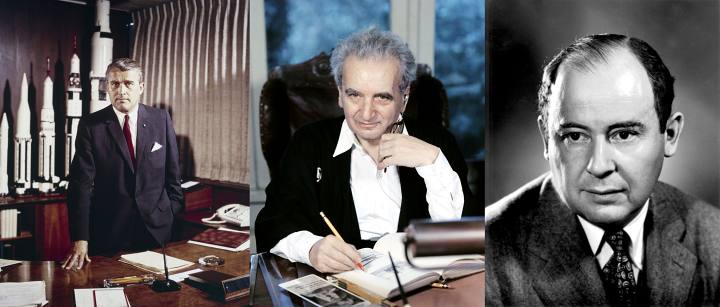
Braun & Kamen & Neumann
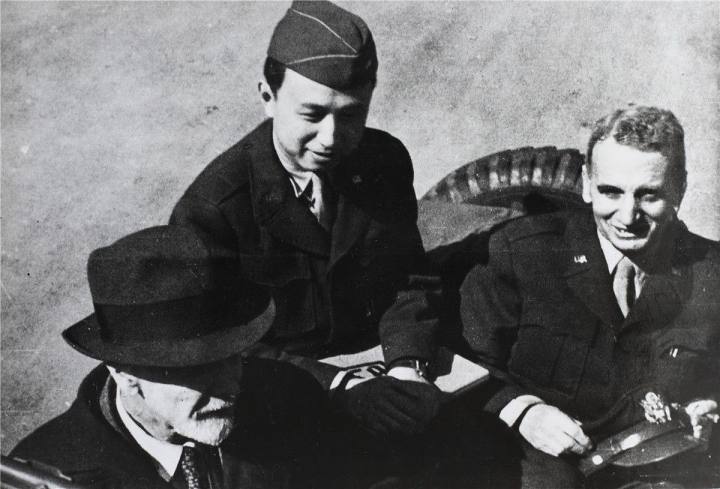
In the top photo, Qian Xuesen is in the center; on the right is his teacher von Kármán; on the left is Kármán's teacher, Prundt.
The Soviet Union had three Ks: cosmonaut Keldysh, and Soviet nuclear weapons developer "Bearded" Kuchatov

And Korolev, the leading figure in the space field.
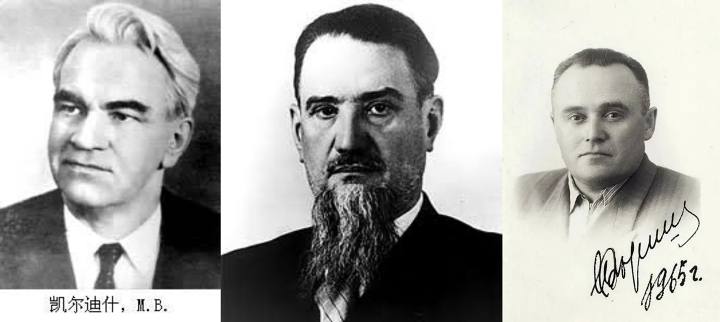
We have three Qians: Qian Xuesen, the founder of China's space program; Qian Sanqiang, nuclear physicist; and Qian Weichang, the master of mechanics.
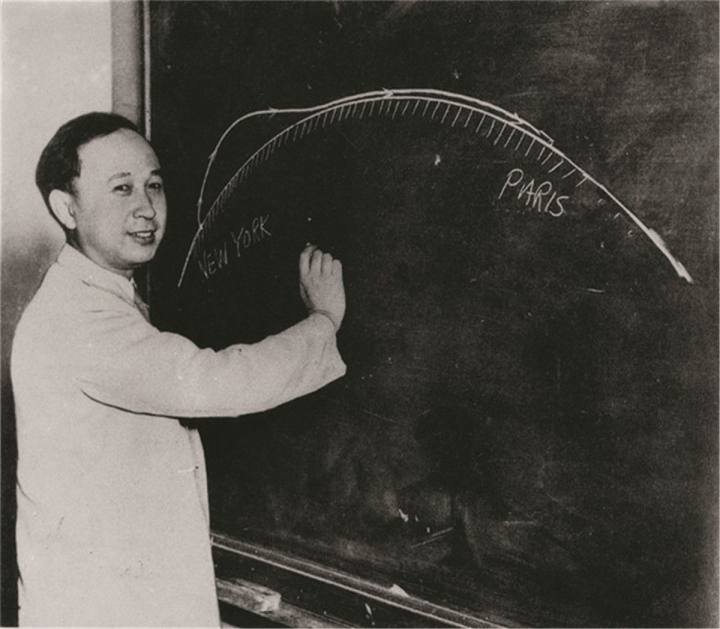
Qian Xuesen
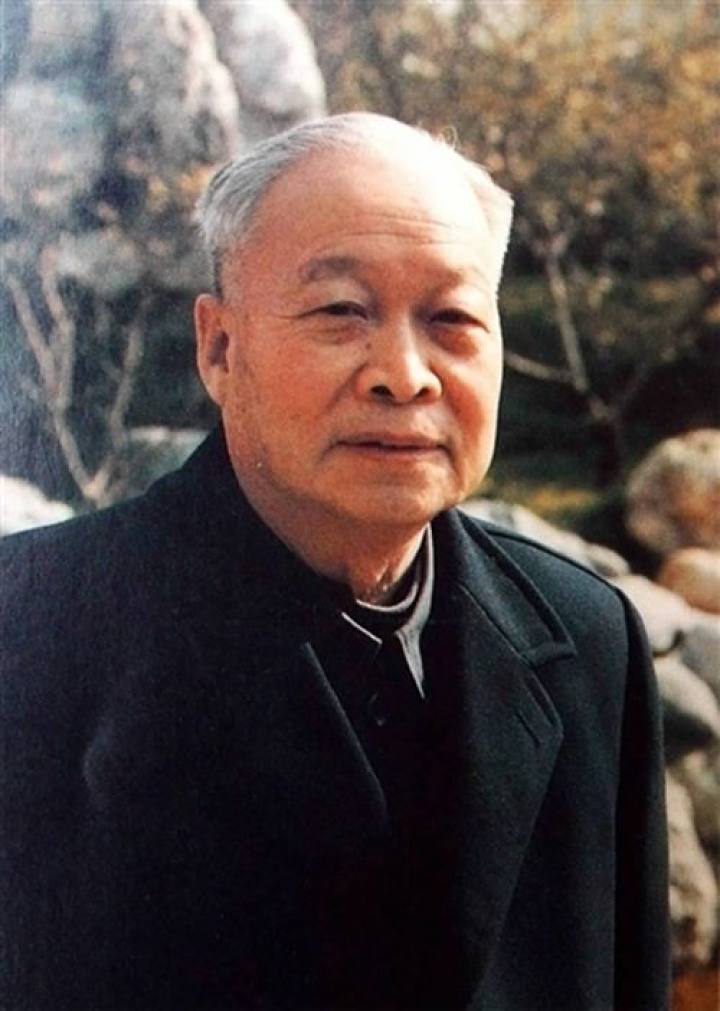
Qian Sanqiang
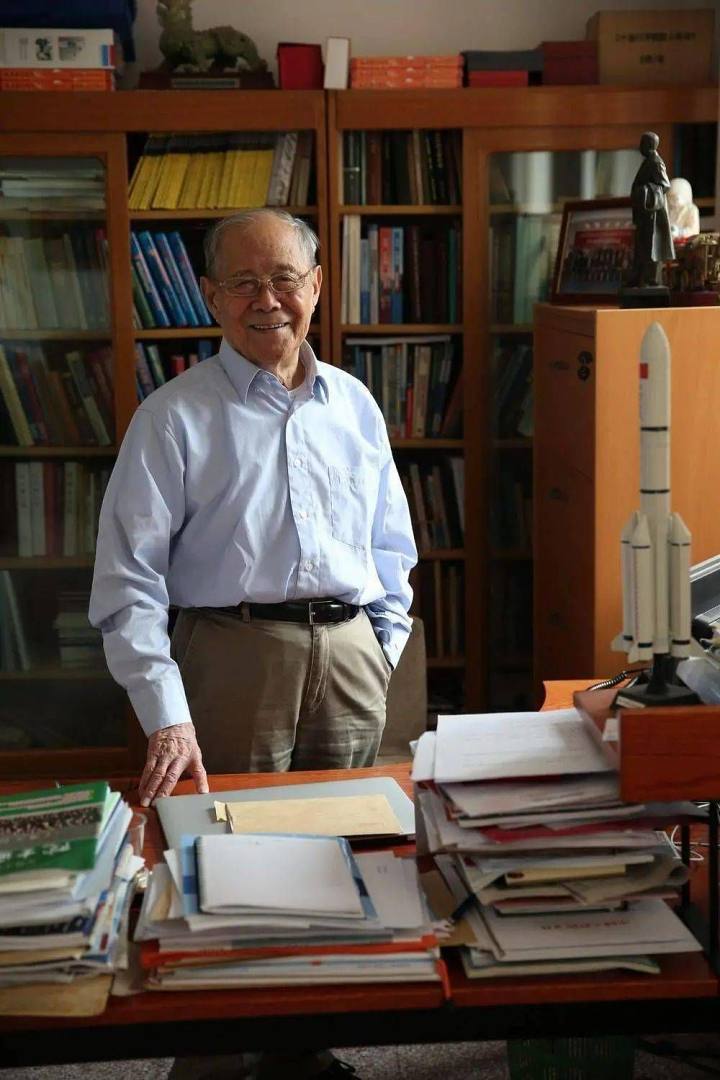
Qian Weichang
Back to the main topic: the satellite has been sent into space, and it's time to send the person up. Satellite 2, launched in November 1957, carried a puppy—Laika. However, just a few hours later, Laika died due to a cooling system failure.
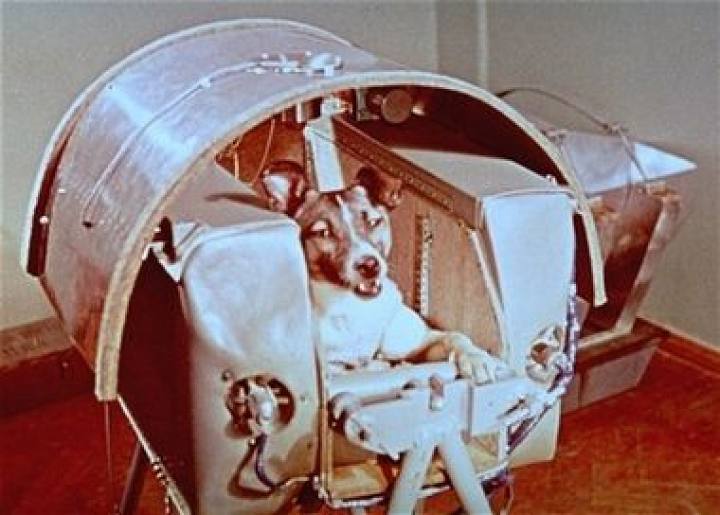
True Laika
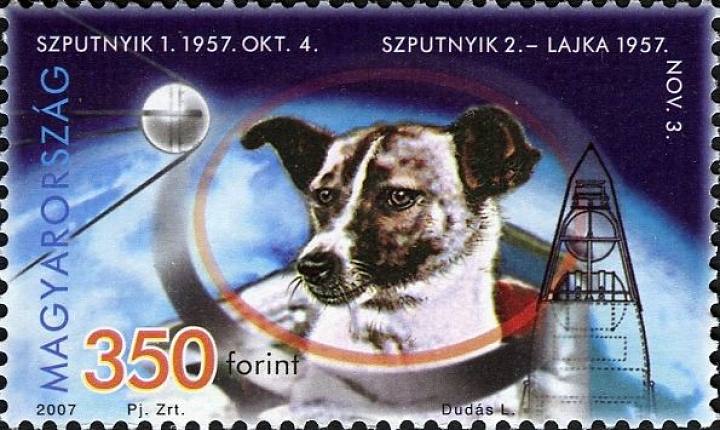
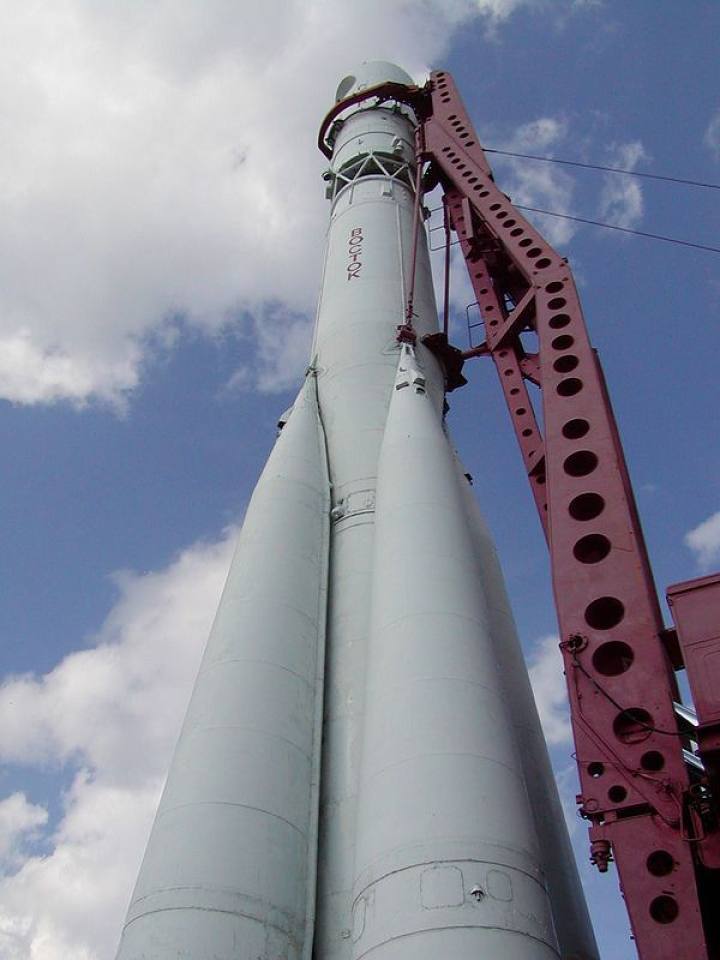
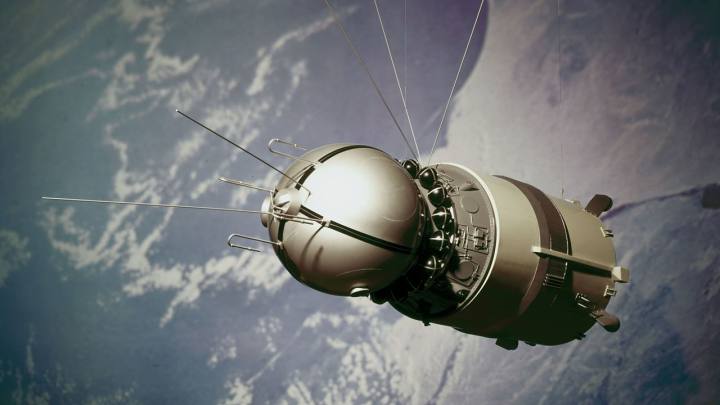
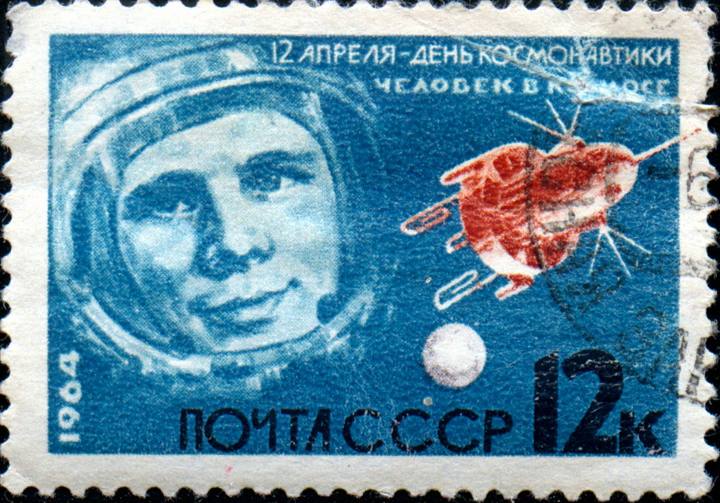
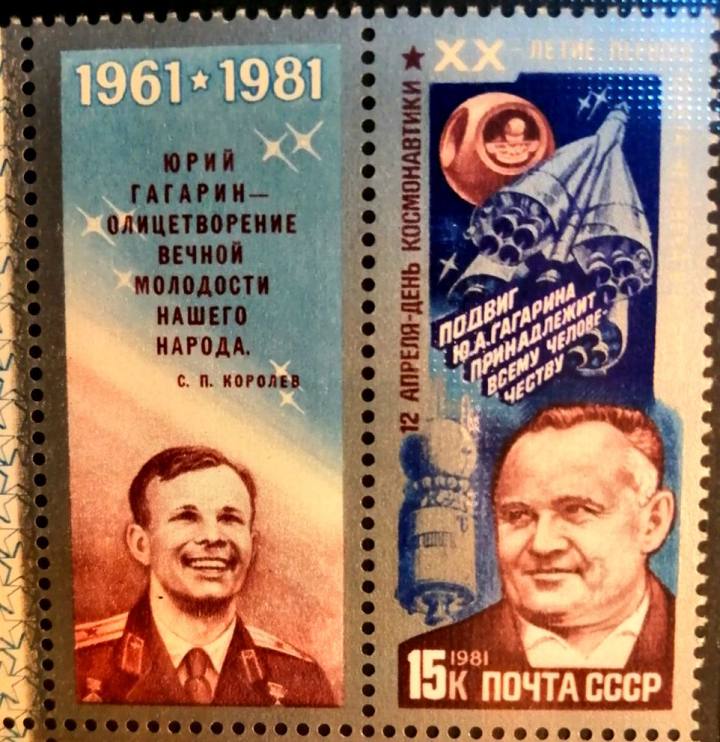
At 9:07 Moscow time on April 12, 1961, Yuri Gagarin launched aboard the Vostok 1 (Восток-1) spacecraft, stayed in space for 108 minutes, and returned to Earth.
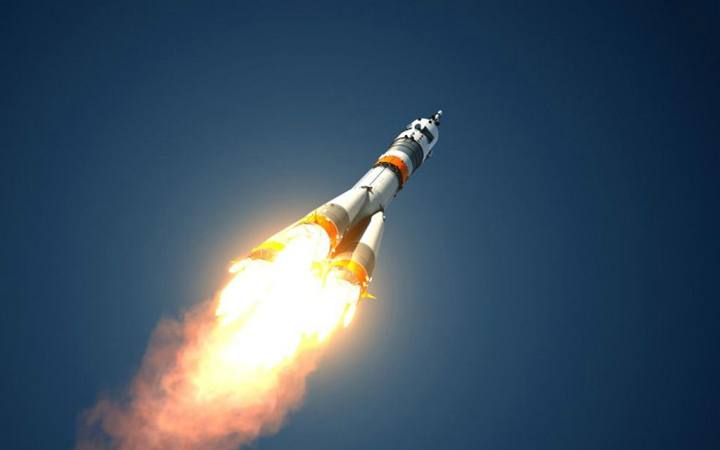
Strictly speaking, this rocket is modified from an intercontinental missile

Flowers, applause, and praise all rushed toward this short man under 160 cm tall.
Twenty-three days later, the Americans sent astronaut Alan Shepard into space using a Redstone rocket (missile). After experiencing five minutes of weightlessness, the spacecraft returned to Earth. Strictly speaking, this mission hardly counts as launching a manned spacecraft. Because the spacecraft's trajectory is just a parabola, with the very top segment in space. Calling it ballistic flight is more accurate. No wonder the Soviets mocked this mission as a leap of fleas

Although the time was short, it was significant. This mission has provided NASA with extensive experience in flight attitude control.
At this point, I wonder if anyone has noticed any issues? The Soviets launched satellites, and soon after, the Americans launched satellites as well; The Soviets pursued manned spaceflight, and the Americans followed suit, sending astronauts into space......
The United States was always one step behind, always led by the nose by the Soviet Union. This is unacceptable to the arrogant Americans

So, the Americans stopped playing. To win the space race, the U.S. urgently needed a cutting-edge achievement that could showcase its space technology strength. Their choice is—to land on the moon!
2. We choose go to the moon!
On May 25, 1961, Kennedy delivered a speech to the U.S. Congress to change the goal of the Apollo program and send American astronauts to the Moon before the end of the 1960s.
Keep in mind, just 20 days ago, Alan Shepard was sent into space...... It's like having just trained in Subject 3 and then being pulled into a racing stunt competition—the difficulty is obvious.
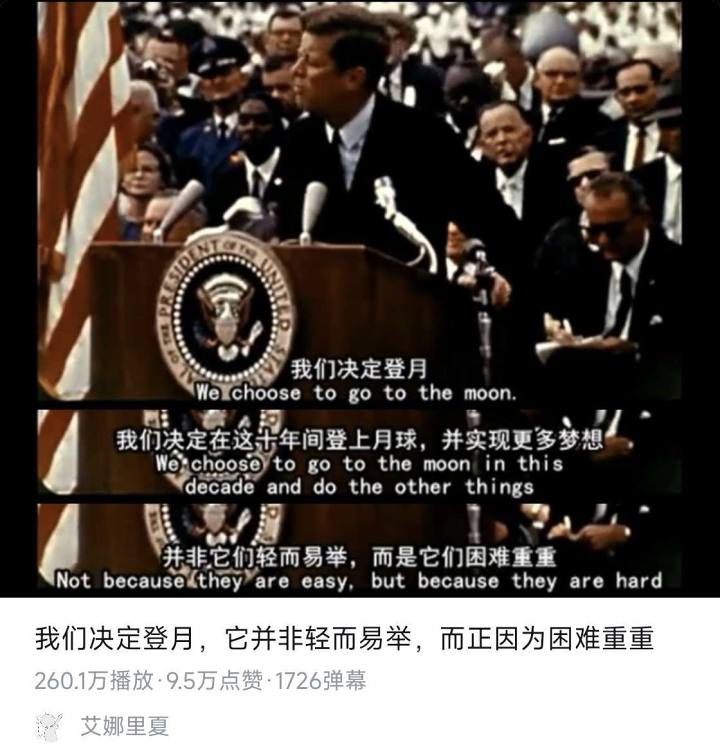
On September 12, 1961, Kennedy delivered a speech at Rice University titled "We Choose Go to the Moon," inspiring the American public to support the Apollo program.
"Whether we participate or not, space exploration will continue. Whenever it is a great adventure, no country expecting to lead the world wants to stop in this space race. ”
"Our forebears usher in the first wave of the Industrial Revolution in this country, the first wave of modern inventions, and the first wave of nuclear technology. And our generation will never willingly fall in the wave of the coming space age. ”
"We decided to land on the moon and achieve more dreams over these ten years, not because they were easy, but precisely because they were so challenging."
Kennedy's speech was inspiring; even after more than half a century, reading these words still allows me to feel the passion and dreams of that time.
But relying solely on inspiring speeches cannot send humanity to the moon. The lunar landing program was far ahead of the technological level of its time, with countless engineering problems waiting to be solved:
A rocket large enough is needed to send the spacecraft into orbit;
It requires mastering orbital technology to allow the spacecraft to leave Earth's orbit and fly to the Moon;
It is necessary to ensure the long-term living conditions of astronauts;
A lunar spacecraft needs to land on the Moon and take off again;
……
To solve a series of challenges, NASA is advancing in three areas: first, the Saturn series of heavy rockets; second, developing the Apollo spacecraft; and third, launching the Gemini program.
3. Saturn rockets
For space enthusiasts, the name Saturn V is truly well-known. It has long held the top spot on the list of heavy-lift rockets with the most powerful payload capacity.
Before Saturn V, NASA developed the Saturn 1 and 1B rockets, which laid a solid foundation for Saturn V.
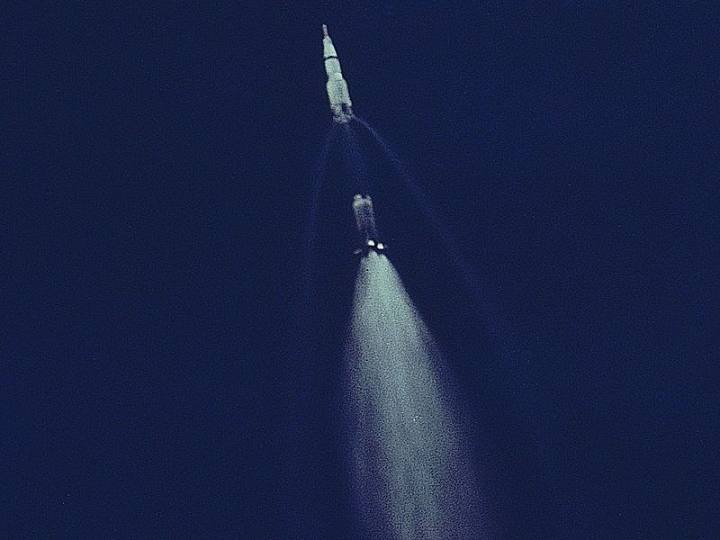
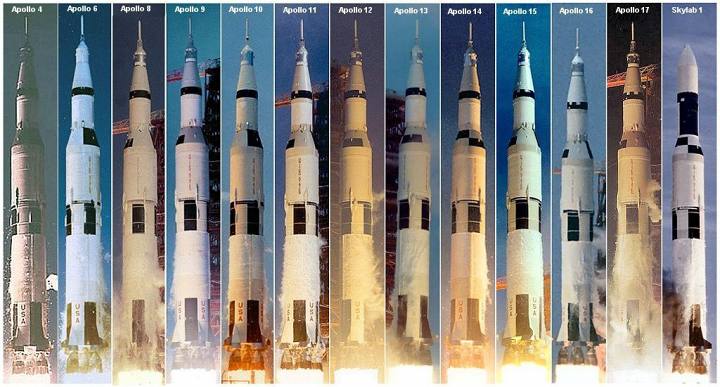
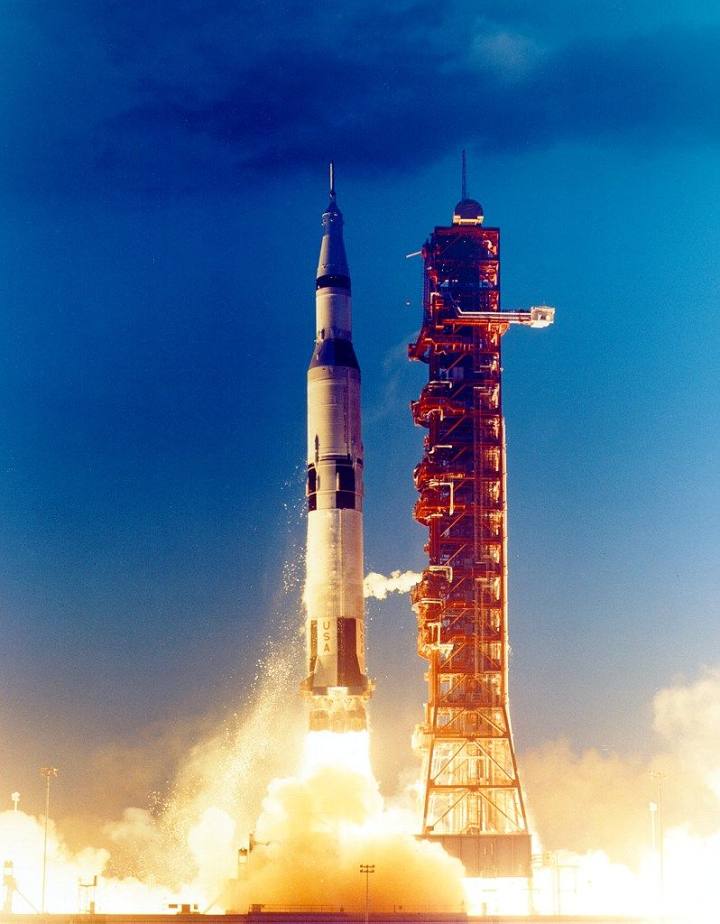
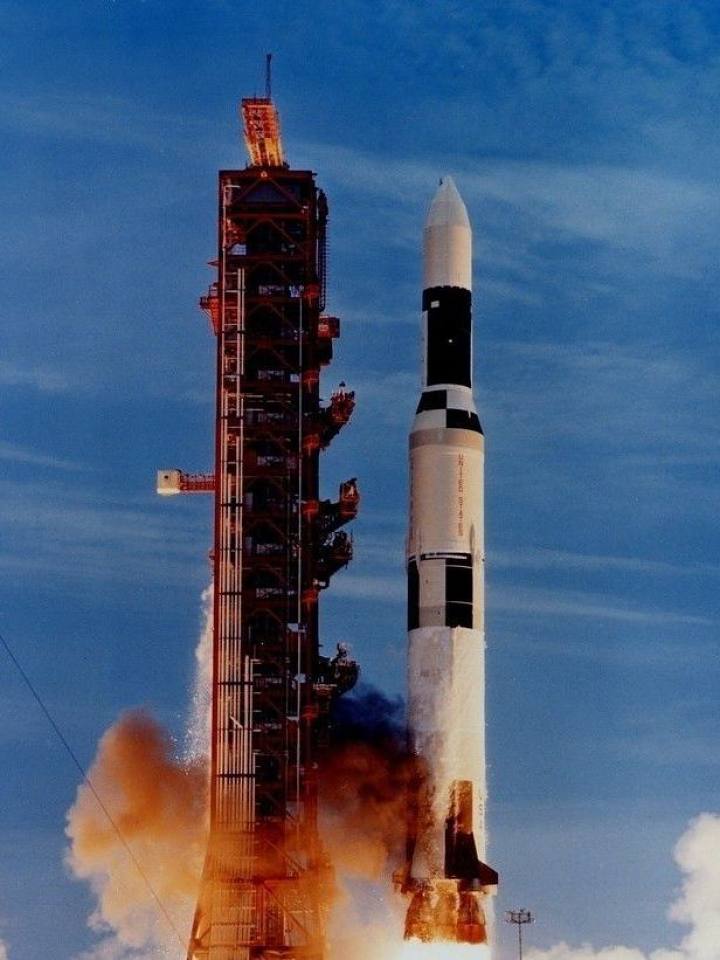
The Saturn V rocket remains one of the heaviest launch vehicles ever used in human history, standing 110.6 meters tall, 10.1 meters in diameter, with a takeoff weight of 3,038.5 tons; total thrust of 3,408 tons. Its lunar orbital payload capacity is 45 tons (some sources say 48.6 tons), and its low Earth orbit payload capacity is 118 tons (some sources say 122.4 tons).
For comparison, the world-class Long March 5B launch vehicle is 53.657 meters long, 5 meters in diameter, with a takeoff weight of 849 tons and a low Earth orbit payload capacity of 25 tons;
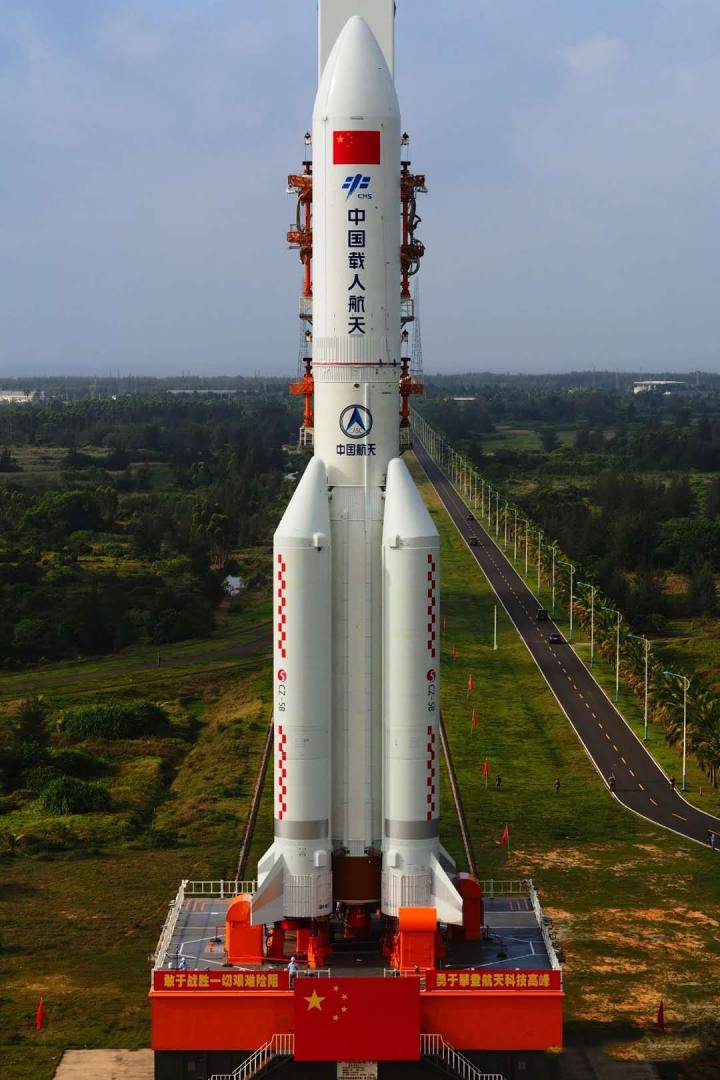
Long March 5B
Falcon 9 is 70 meters long, 3.36 meters in diameter, has a takeoff weight of 549 tons, and a low Earth orbit payload capacity of 22.8 tons (18.3 tons in recoverable state)
The Saturn V core primary stage uses five F-1 liquid oxygen-kerosene engines; Core stage 2 uses five J-2 liquid oxygen and liquid hydrogen engines, while core stage three uses one J-2 liquid oxygen liquid hydrogen engine.
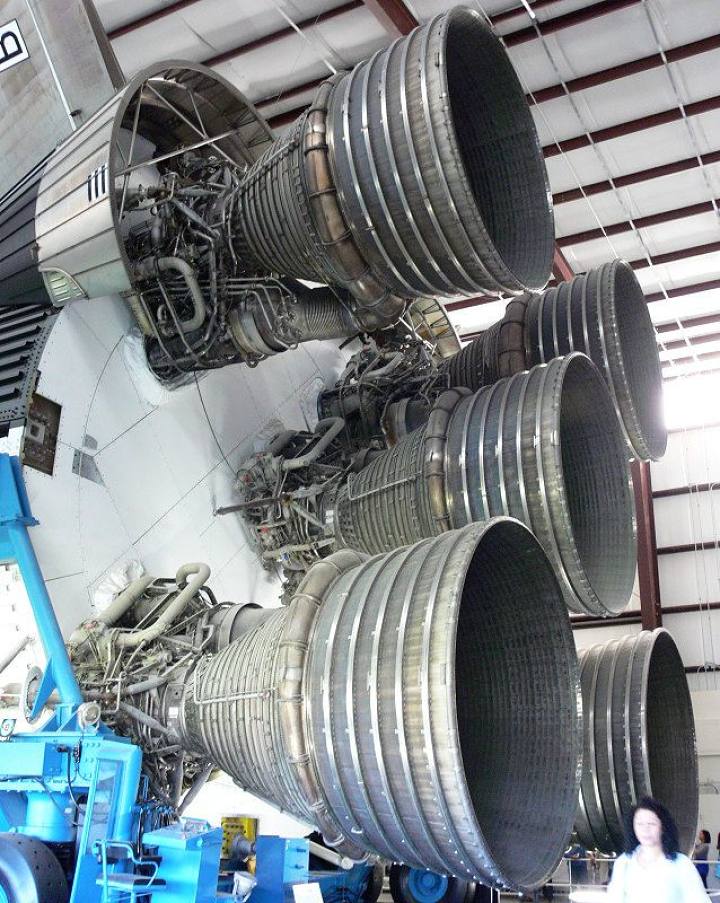
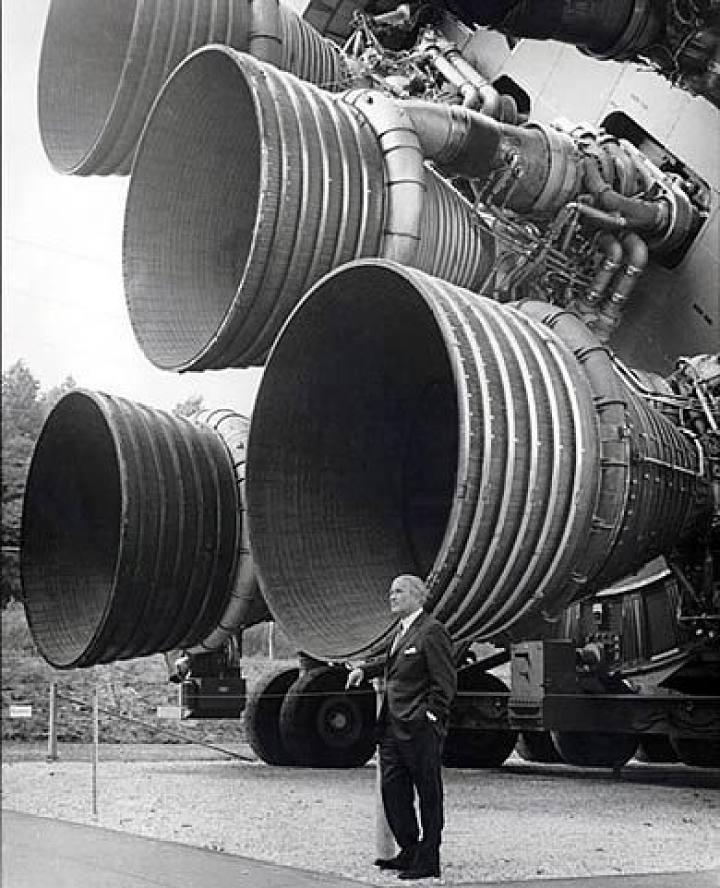
Core Level 1 & von Braun
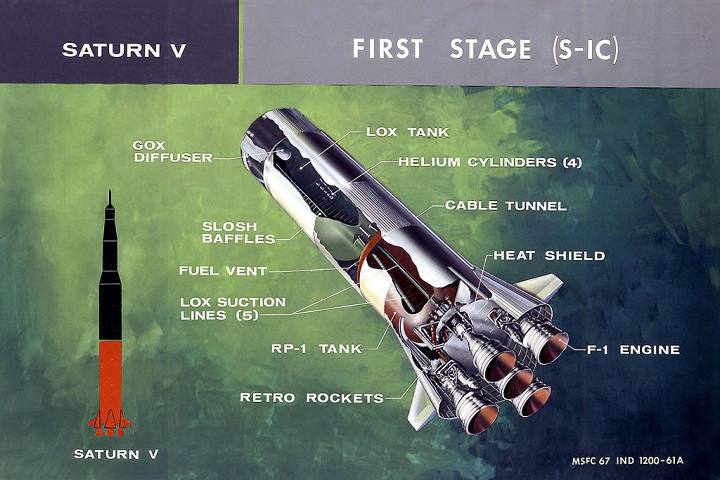
Such a huge rocket naturally burns a lot of money. From 1964 to 1973, the total funding for the Saturn V rocket reached .5 billion, peaking in 1966 with .2 billion allocated in just one year.
So netizens joke that a single rocket is equivalent to an aircraft carrier, and that's not an exaggeration

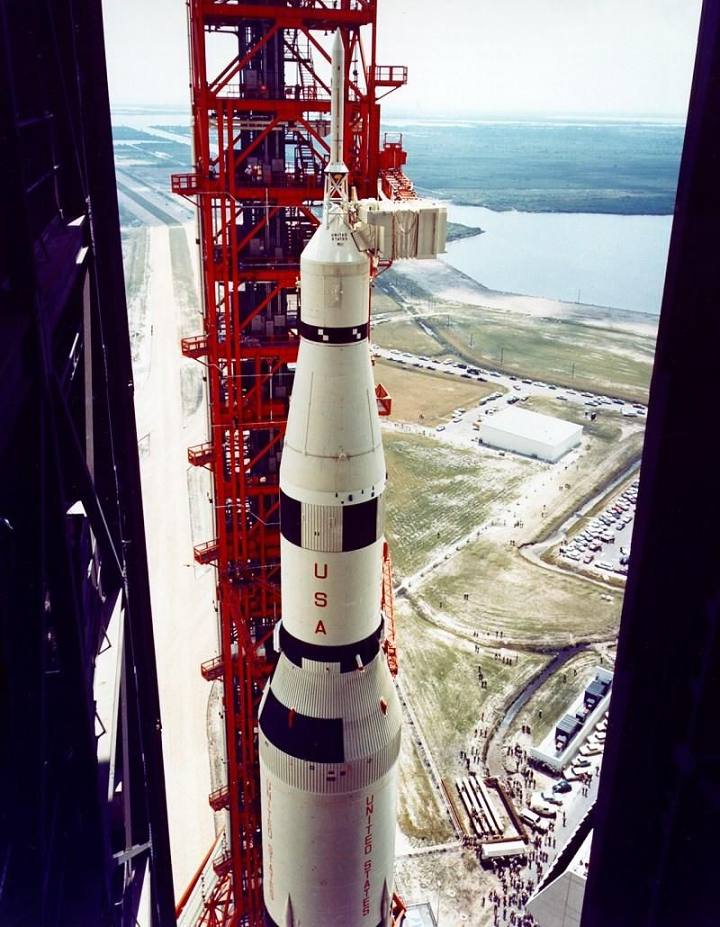
Oh, by the way, the Saturn V control computer was produced by IBM. Its performance is limited, but its reliability is good enough (Apollo 12 was struck by lightning during launch, but the computer rebooted and returned to normal).
4. Unsuccessful Campaign
January 27, 1967, Kennedy Space Center. Three astronauts—Virgil Gleeson, Edward White, and Roger Chaffee—boarded the Apollo 1 spacecraft for a launch simulation exercise. The official launch is expected on February 21.
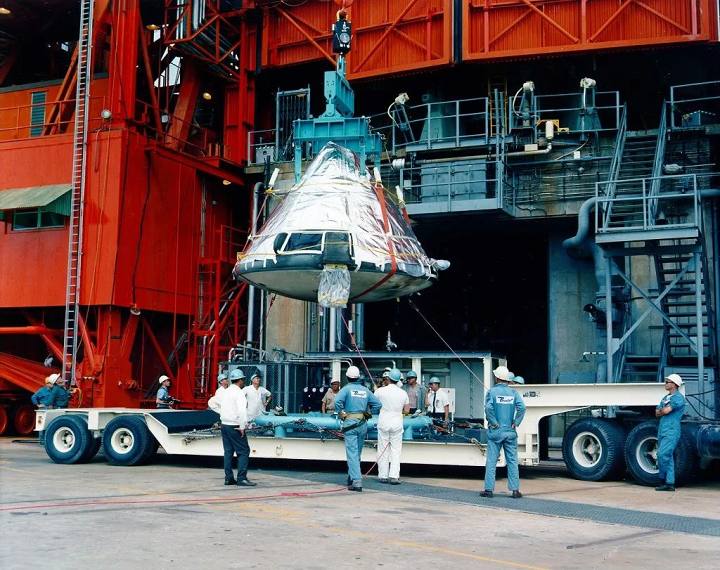
Apollo 1
At 6:31 p.m., a large fire broke out inside the spacecraft. Because the Apollo spacecraft used pure oxygen, The fire became uncontrollable, and after 90 seconds of staff opening the hatch, three astronauts had unfortunately died.
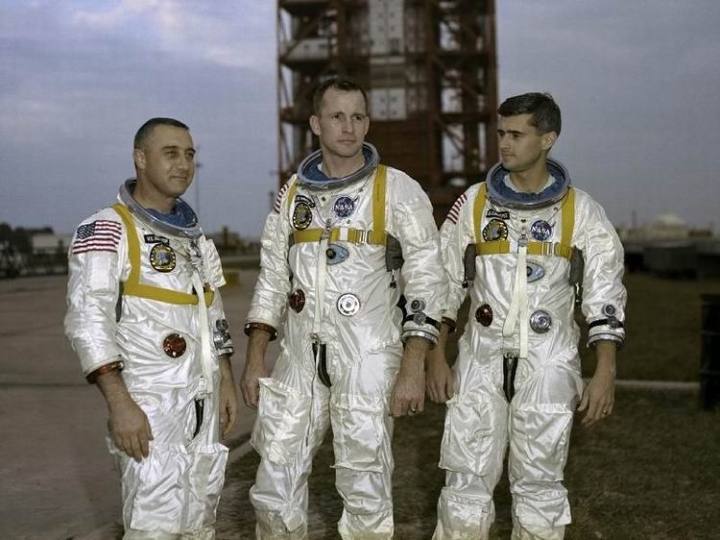
Due to investigations into the cause of the fire and improvements to safety systems, the launch was repeatedly postponed. Manned launches were not allowed to resume until a year later, before NASA conducted unmanned Apollo 4-6 launches (without 2.3)
According to the investigation, electric sparks generated by the short circuit ignited the nylon buckle in a pure oxygen environment, causing an even bigger fire. There was also something baffling: astronaut Virgil Gleeson's suggestions for improving the hatch ended in his own life

:
Most American manned spacecraft return to the sea, and then helicopters bring the astronauts back. However, during one launch mission, due to a loose lock on the hatch lock, the door popped open and the ship entered the sea. Astronaut Virgil Gleeson proposed improvements, requiring the door to be tightened more tightly

…… Therefore, opening the Apollo spacecraft's hatch took time, and he lost his chance to escape.
No one succeeds easily; exploring unknown territory will always involve sacrifices! Their courage will forever inspire humanity to keep moving forward!
To be continued
@想要上天的文轩@酷安小编@Kiming classmate@alexkillers@百合园圣娅
? Original link:https://www.coolapk.com/…
![[Open Source Reading] January 2024 ≈ 400 carefully edited book source compilation and update - Baiyun Blog](https://www.bybk.cc/wp-content/uploads/img/af867764c3780f0b7da88376fca7bf92.png)
![[Open Source Reading] November 950+ carefully proofread book source compilation and update - Baiyun Blog](https://www.bybk.cc/wp-content/uploads/2023/02/Screenshot_20230222-1001582.png)


![[Open Source Reading] October 1300 Book Source Update - Baiyun Blog](https://www.bybk.cc/wp-content/uploads/img/1eeb6ae31cde88ab39faa2f19651638d.jpeg)
![[VMOS PRO 2.9.6 Member Edition] - Baiyun Blog](https://www.bybk.cc/wp-content/uploads/img/c303a7a50d3ebfa235cc380190db2980.png)
![[Open Source Reading] November 950+ carefully proofread book source compilation and update - Baiyun Blog](https://www.bybk.cc/wp-content/uploads/2023/02/Screenshot_20230222-1001582-1024x593.png)




No comments yet